Who we are
Craftsmanship is an expression of the human spirit, a tangible manifestation of imagination and diligence. At TLS crafting isn’t just about making things, it’s about making things that matter. Whether it be Leigh and her handmade jewelry or Tom and his handmade leather products, the craftmanship is one of a kind. Hence our name TLS is derived from “T” Tom, “L” Leigh, and “S” is for Smith Creations.
Some facts about leather
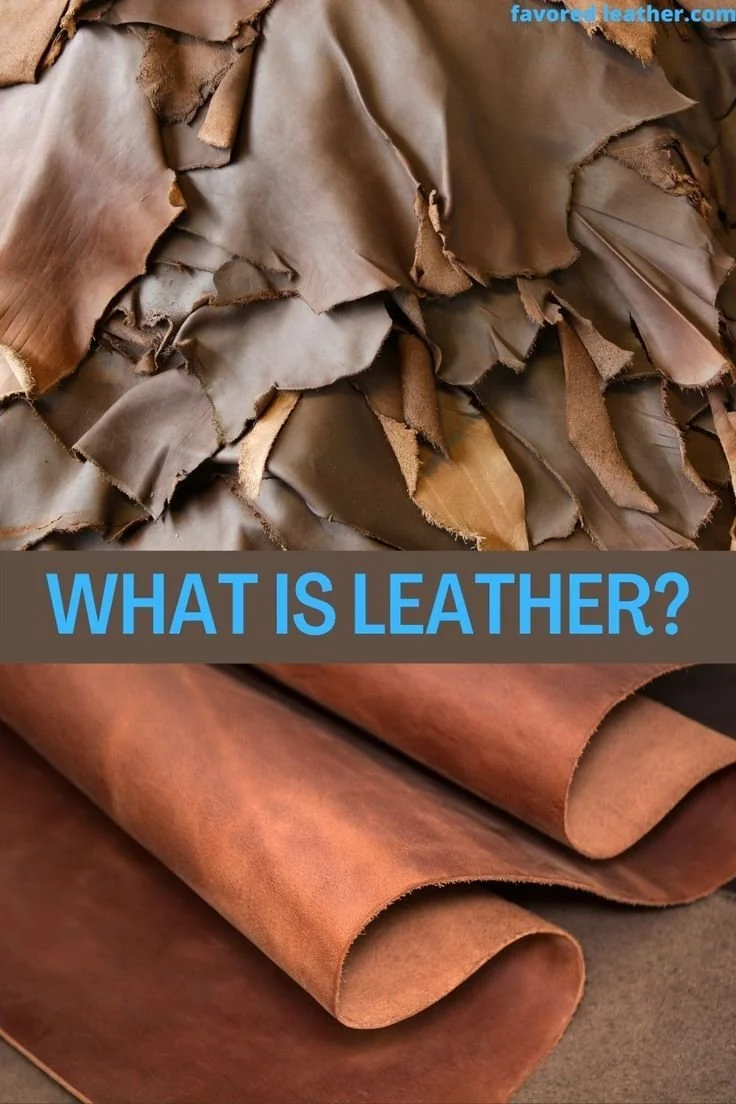
Leather comes in various types, primarily distinguished by quality, grain, animal source, tanning method and finish, with fullgrain being the highest quality and bonded leather the lowest.
Leather Grades and Quality
Leather is often categorized by the layers of the hide preserved in the finished product:
FullGrainLeather: The highest quality, retaining the entire grain layer. It is thick, durable, and develops a natural patina over time, making each piece unique.
Top-Grain Leather: Slightly lower quality than full-grain, with the outermost layer sanded or buffed for a uniform appearance. Softer and more flexible but less durable.
Genuine Leather: Also called premium leather, made from the lower layers of the hide. It is more affordable but less durable and less natural in appearance.
Split Leather: Derived from the fibrous part of the hide after separating the top grain. Often used for suede or embossed finishes.
Bonded Leather: Made from leather scraps bonded with polyurethane or latex. It is the least durable and often used for budget furniture or accessories.
Leather by Animal Source
Different animals produce leather with distinct textures and qualities:
Cowhide: Durable and versatile, commonly used for jackets, bags, and furniture.
Sheepskin/Lambskin: Soft, lightweight, and supple, ideal for clothing and gloves.
Goatskin: Strong yet flexible, often used for gloves and bookbinding.
Exotic Leathers: Alligator, crocodile, ostrich, and snake offer unique patterns and luxury appeal.
Tanning Methods
Tanning transforms raw hides into durable leather:
Vegetable Tanning: Uses natural tannins from plants, producing firm, ecofriendly leather that ages beautifully.
Chrome Tanning: Uses chromium salts for softer, more pliable leather, often in fashion and upholstery.
Leather Finishes
Finishes affect appearance, texture, and durability:
Aniline: Natural, soft, and breathable, showing the hide’s imperfections.
SemiAniline: Slightly pigmented for uniformity while retaining natural feel.
Nubuck: Sanded top-grain leather with a velvety texture.
Suede: Made from the underside of the hide, soft but less durable.
Patent: Glossy, coated leather for a shiny finish.
Pigmented/Embossed: Coated or stamped for uniform color and texture.
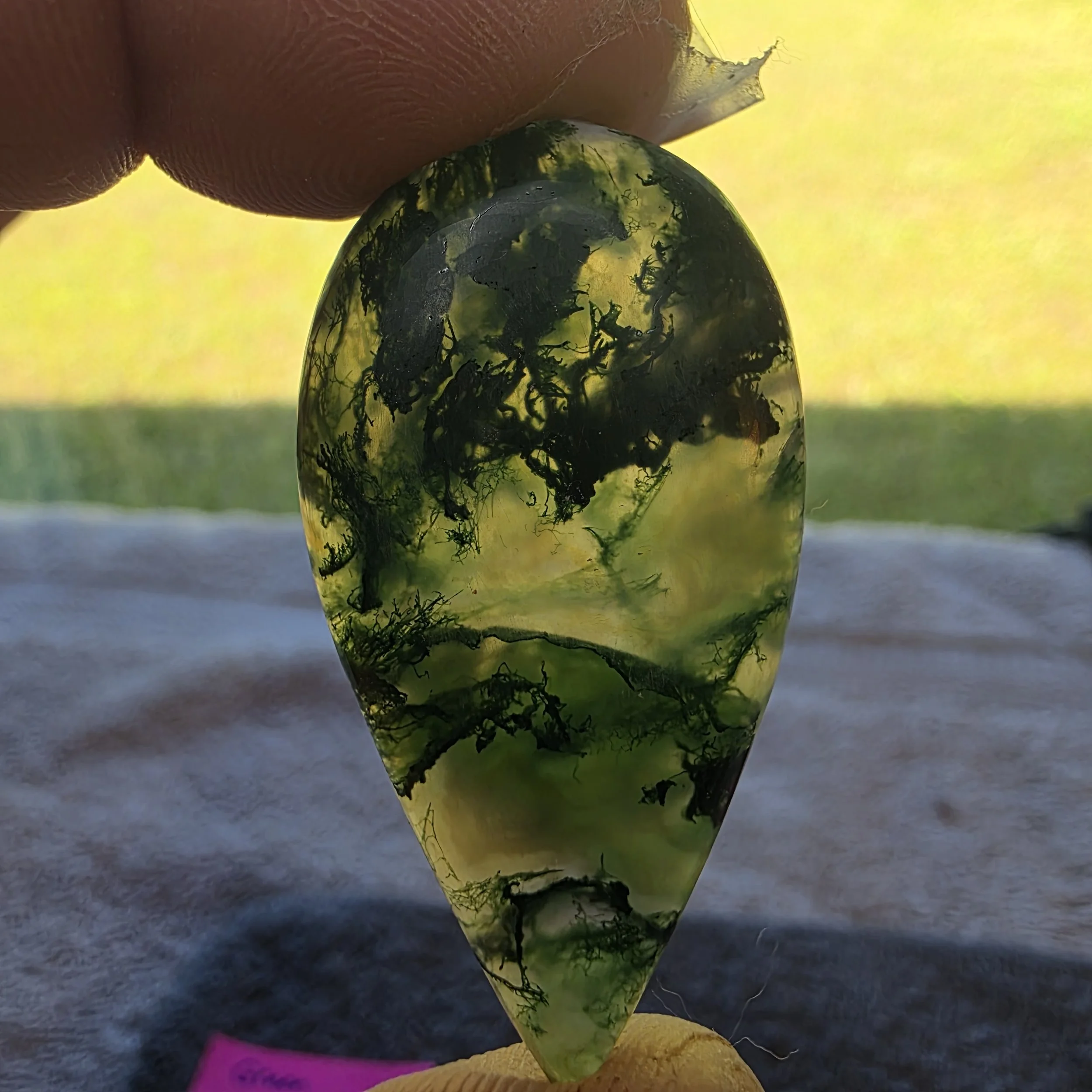
What are Cabochons?
Cabochons, often called "cabs," are gemstones that are cut with a convex, rounded surface on top and a flat reverse. This style of cutting emphasizes the stone’s color, pattern, and special optical effects, such as asterism (star effect) or chatoyancy (cat’s eye effect), which might be diminished in faceted stones. The most common shapes are oval or elliptical, though round, square, rectangular, teardrop, heart, and freeform shapes are also used. The flat back allows the cabochon to be easily set into jewelry.